
How to Set Up the Perfect Sports Betting Room at Home (Without Breaking the Bank)
- Details
- Category: Sports Betting
- Created: Thursday, 12 March 2026 02:46
Key Takeaways
- A reliable internet connection is non-negotiable for live betting. Stability matters more than raw speed.
- Multi-screen setups aren't just for traders — they're extremely useful for tracking multiple games and lines at the same time.
- Comfort directly affects decision quality. Poor seating leads to fatigue and rushed decisions during long sessions.
- Small conveniences like a mini fridge keep you in your seat and focused. When they break unexpectedly, they disrupt your routine more than you'd think.
- Organization — bookmarks, trackers, and a clean workspace — reduces friction and keeps you sharp.
- Your setup doesn’t need to be expensive to be effective. Prioritizing the right elements makes all the difference.
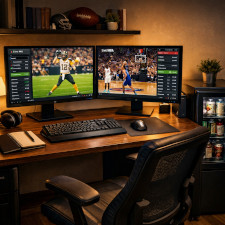
The first time I placed a live bet from a proper setup, I realized how much I had been handicapping myself. I don’t mean that in the strategic sense.
For years, I worked from a cramped kitchen table with one laptop, poor lighting, and a Wi-Fi router two rooms away. I missed line movements. I fumbled between tabs. I once missed a live prop bet entirely because my browser froze at the wrong moment.
When I finally built a home betting space around focus, reliability, and comfort, the entire experience changed. Not just the enjoyment, but how clearly I could think and how quickly I could act.
This guide is for serious recreational bettors and aspiring sharps who want to stop treating their setup as an afterthought. Whether you're betting on NFL Sundays, grinding NBA totals, or running a small book through a pay-per-head service, your environment matters more than most people admit.
Choosing the Right Screen Setup for Sports Betting
This is where most bettors either overthink things or underspend dramatically.
You don’t need a wall of monitors like a hedge fund trading desk. But you do need enough screen space to work efficiently without constantly switching tabs or losing track of things.
Single Screen vs. Multi-Screen
For casual bettors placing a handful of pregame wagers each week, a single large monitor or a 43–55 inch TV works well. You can run your sportsbook on one side and a stats reference or live tracker on the other using split-screen.
If you're doing live betting, monitoring multiple games, or managing a pay-per-head operation, two screens are the practical minimum. I run two 27-inch monitors side by side. One stays on my primary sportsbook and a live odds comparison tool. The other handles stats, game streams, or my own tracking spreadsheet.
TV vs. Monitor
This depends on your viewing distance. If you're sitting close to your desk, a dedicated monitor with a high refresh rate will look sharper and reduce eye strain during long sessions. If your setup is more of a lounge-style viewing room, a large TV positioned further away makes more sense.
One thing I'd strongly recommend: make sure your screen supports picture-in-picture, or have a second input available. Being able to watch a live game and track your betting interface simultaneously without switching inputs is genuinely useful.
Internet Speed and Stability for Live Betting
Here’s something most guides get wrong: speed isn’t the most important factor. Stability is.
A 50 Mbps connection that never drops is far better than a 500 Mbps connection that hiccups every 20 minutes. In live betting, a two-second freeze can mean missing a line entirely or having a bet rejected because the odds have already moved.
What I'd Recommend
- Use a wired Ethernet connection to your betting computer if at all possible. Wi-Fi is convenient but introduces latency and occasional instability that you simply don't want during in-game wagering.
- Place your router as close to your betting room as feasible, or use a powerline adapter to extend a wired connection without running long cables through walls.
- If you're on cable internet, check whether your provider offers a business-tier plan with a guaranteed uptime SLA. For serious bettors, the small price difference is worth it.
I learned the value of a wired connection during an NFL divisional playoff game. I had a live total bet queued up at exactly the number I wanted, and my Wi-Fi stuttered for four seconds. By the time the page reloaded, the line had moved two points. That was the last day I bet over Wi-Fi.
Seating, Ergonomics, and Why Comfort Affects Your Decisions
This section gets skipped in almost every “betting setup” article I’ve read, and I think that’s a mistake.
Sports betting, especially live betting, involves sitting for long stretches while making frequent, sometimes high-pressure decisions. Physical discomfort is a subtle but real mental drain. When your back hurts, when you're shifting constantly, or when your neck is craned toward a monitor at the wrong height, your focus starts to degrade.
What to Look For in a Betting Chair
You don't need to spend $1,500 on an ergonomic chair, but you should look for a few specific things:
- Lumbar support that actually contacts your lower back at the right height
- Adjustable armrests so your shoulders aren't creeping upward during long sessions
- Seat depth that supports your thighs without cutting off circulation behind your knees
A mid-range office chair in the $200–$400 range from a reputable brand will serve you far better than a gaming chair whose foam padding loses its shape after six months.
Desk Height and Monitor Position
Your monitor should sit at roughly eye level or just slightly below. Looking upward at a screen for hours accelerates neck fatigue. A monitor arm lets you adjust this precisely and frees up desk space as a bonus.
Keep your most-used peripherals, such as keyboard, mouse, and a notepad, within easy reach. Anything that requires you to stretch or stand up breaks your rhythm during fast-moving live markets.
Keeping Your Space Equipped and Functional
The small things matter more than people admit.
A dedicated betting space works best when you can stay focused and present during your session. That means minimizing the reasons you need to get up, leave the room, or deal with household distractions.
The Mini Fridge Factor
I keep a compact mini fridge in my betting room stocked with drinks and light snacks. It’s a small thing, but not having to walk to the kitchen during a busy Sunday slate keeps me focused. During the NFL season, especially between early games, afternoon games, and Sunday Night Football, I can be at my desk for six or more hours. Having what I need within arm's reach makes a measurable difference.
The one time I didn't appreciate it was when the fridge stopped cooling properly mid-October — right at the start of a busy stretch of games. I called Appliance EMT for a quick appliance repair, and they had someone out quickly. It was a minor fix, but it reminded me how much the small conveniences I'd built into my setup had become part of my routine. When one piece breaks, you notice it.
Lighting
Avoid glare on your screens at all costs. Bias lighting behind your monitors, such as a simple LED strip, reduces the contrast between screen brightness and the surrounding room. As a result, it significantly cuts eye strain during evening sessions.
Natural light is great during the day. At night, a warm overhead light or a desk lamp positioned to the side works better than harsh overhead fluorescents.
Noise Management
If you live with other people, or if outside noise is a factor, a decent pair of over-ear headphones is worth having nearby. I don't always use them, but during games where I'm trying to listen to broadcast commentary while also tracking my betting interface, being able to isolate audio is useful.
Organizing Your Betting Tools and Workflow
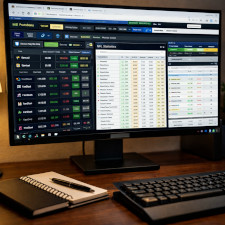 A cluttered setup quietly drains your efficiency. Over time, the friction of hunting for the right tab or remembering where you tracked your last unit adds up.
Browser Organization
Set up a dedicated browser profile for betting, separate from your personal browsing. Within that profile, organize your bookmarks into folders: sportsbooks, odds comparison tools, stats references, bankroll tracker, and any live score services you rely on.
Having everything one click away sounds trivial until you've spent 45 seconds searching for a tab while a live line is moving against you.
Bankroll Tracking
Keep a simple spreadsheet (Google Sheets works fine) that logs every bet: date, sport, bet type, odds, stake, and result. Review it weekly, not just for profit and loss, but for patterns. Are you performing differently on certain bet types? Certain sports? Certain days of the week?
Most bettors either don't track at all or track inconsistently. Those who track everything have a significant information advantage over their past decisions.
Odds Comparison Bookmark
Having an odds comparison site bookmarked and ready is standard practice for anyone shopping lines across multiple books. If you’re only using one sportsbook, you’re leaving value on the table every week. Even a half-point difference on a spread matters at volume.
Mistakes I Made Before I Got It Right
When I first set up a betting room, I made the same mistake most people make: I focused on aesthetics before function. I wanted it to look good before I thought about whether it worked well.
The monitor arm went in after I realized my neck ached after every Sunday slate. The Ethernet cable got run after I missed a live bet due to Wi-Fi instability. The bookmarking system came together after spending one too many frustrated minutes hunting for a stats page I visited every single week.
The setup I have now didn’t happen overnight. It evolved based on what actually created friction and what made sessions feel smoother.
Here's what I'd tell someone starting from scratch:
- Prioritize your internet connection and screen real estate first. Those two things affect every session.
- Get your seating right early; fixing a bad chair after six months of back pain is more expensive than buying the right one upfront.
- Build your digital workflow — bookmarks, trackers, and browser profiles — before you need them under pressure.
- Don't overbuild. A focused, functional two-screen setup beats an elaborate six-screen arrangement you don't actually need.
The goal isn't an impressive room. The goal is a room that helps you think clearly, act quickly, and stay comfortable long enough to make good decisions.
Questions Bettors Usually Ask About Home Setups
Do I need multiple monitors to bet on sports seriously?
Not necessarily, but it helps. A single large screen with split-screen capability works for pregame betting. If you're doing significant live betting or tracking multiple games simultaneously, a second monitor removes a lot of friction and genuinely improves your workflow.
What internet speed do I need for live sports betting?
Speed matters less than stability. A consistent 25–50 Mbps wired connection is more than sufficient. What you want to avoid is packet loss, high latency, or any intermittent drops — those are far more damaging during live wagering than raw speed numbers.
How much should I realistically spend on a home betting setup?
You can put together a very functional setup for $500–$800 if you're starting from scratch — that covers a solid monitor, a decent chair, a wired network adapter, and basic desk accessories. You don't need to spend thousands. Prioritize the monitor and chair over everything else.
Is it worth having a dedicated computer just for betting?
For most recreational bettors, a dedicated browser profile on an existing machine is enough. For someone running a pay-per-head book or betting at high volume across multiple accounts, a dedicated machine removes the risk of browser conflicts, slow performance, or accidental tab mixing. It's a judgment call based on your volume and how much you value the separation.
What's the most overlooked part of a home betting setup?
Lighting and ergonomics, consistently. Everyone thinks about screens and internet speed, but the people who bet for long sessions without eye strain or physical fatigue are the ones who got the environmental details right, such as monitor position, room lighting, and chair support. It's not glamorous, but it matters.
Your Setup Is Part of Your Edge
If you're putting real thought into your bets, it's worth putting some thought into where you're making them.
Every unnecessary friction point in your environment costs you something — a missed line, a slower reaction, or a distraction at the wrong moment. The bettors who build clean, reliable, organized spaces aren't doing it for aesthetics. They're doing it because they've recognized that their environment is part of their edge.
You don't need to spend a fortune. You need to spend thoughtfully, fix the obvious weak points, and build a space that works as hard as you do during a long session.
Start with your screen setup and your internet connection. Get your seating right. Build your digital workflow. And then stop moving the furniture and start paying attention to the lines.

























Comments powered by CComment